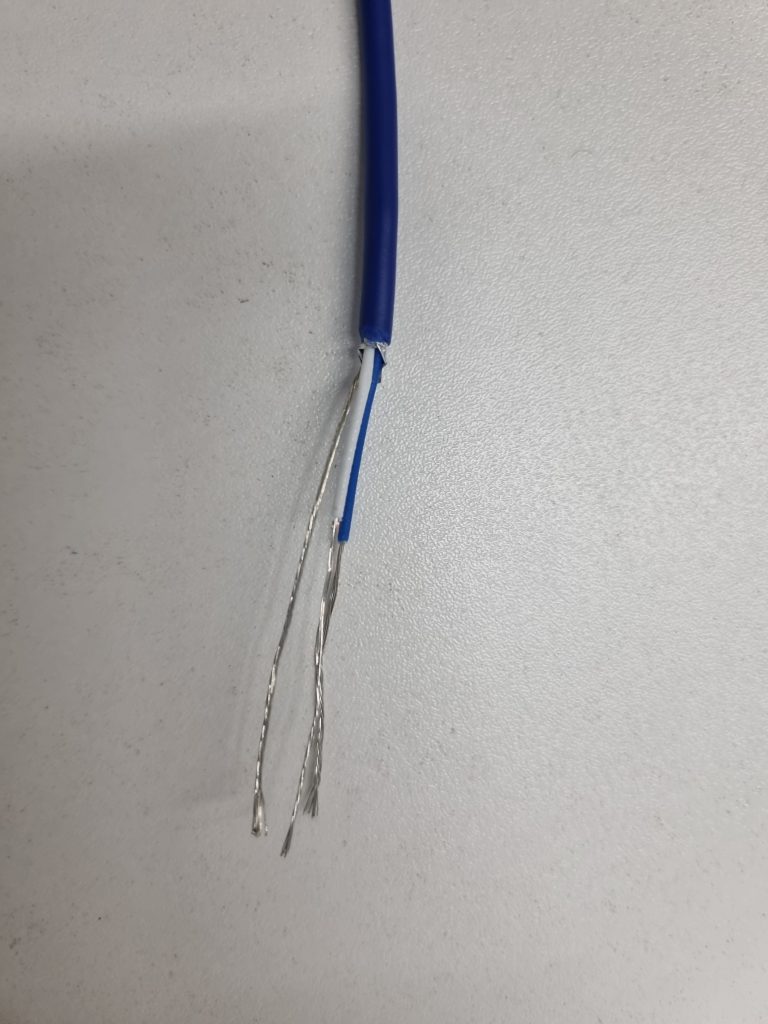
Whilst I had soldiering experience from my secondary education it was a unique feeling trying it again after so many years. I began with experimentation; first trimming a small piece of wire into its composite parts and then stripping the insulation to expose the wires.
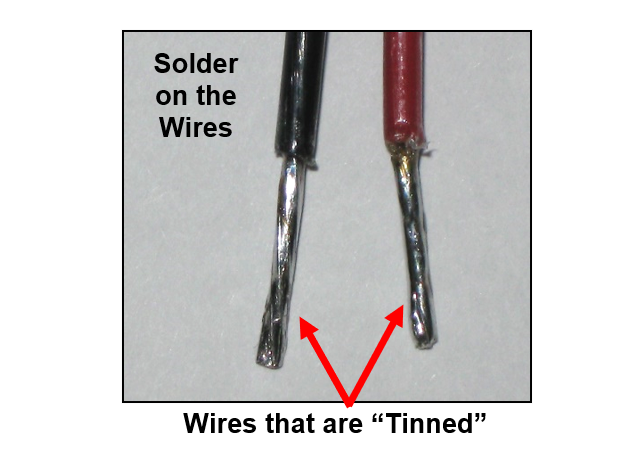
Then using my iron to ‘tin’ to tip of the wire. Whilst initially frustrating due to the equipment and my own lack of dexterity (I repeatedly made the mistake of cutting the wire too short) , it soon proved to be rewarding in its own right. Learning that instead of heating the solder to apply onto my wire it was more effective to heat the wire itself with my iron helped create the ideal ‘shine’ to the wires which made them more conductive.
Once I was satisfied with my experimentation I moved onto creating the contact mics themselves. We were given piezo-electric contact mics (a passive transducer that relies on physical contact to capture sound rather that airborne waves) and 3.5mm audio jack connector and tasked with connecting the two to create a contact mic. It was a stimulating and exciting challenge; progress felt steady as I trimmed, tinned and then soldered the connections.
Piezo-electric transducers are made up of three key elements – a high sensitivity material like Lead Zirconate which boasts high piezo-electric properties, an alloy substrate disc that is bonded to it and an electrode to carry the electrical signal the material creates as it bends.
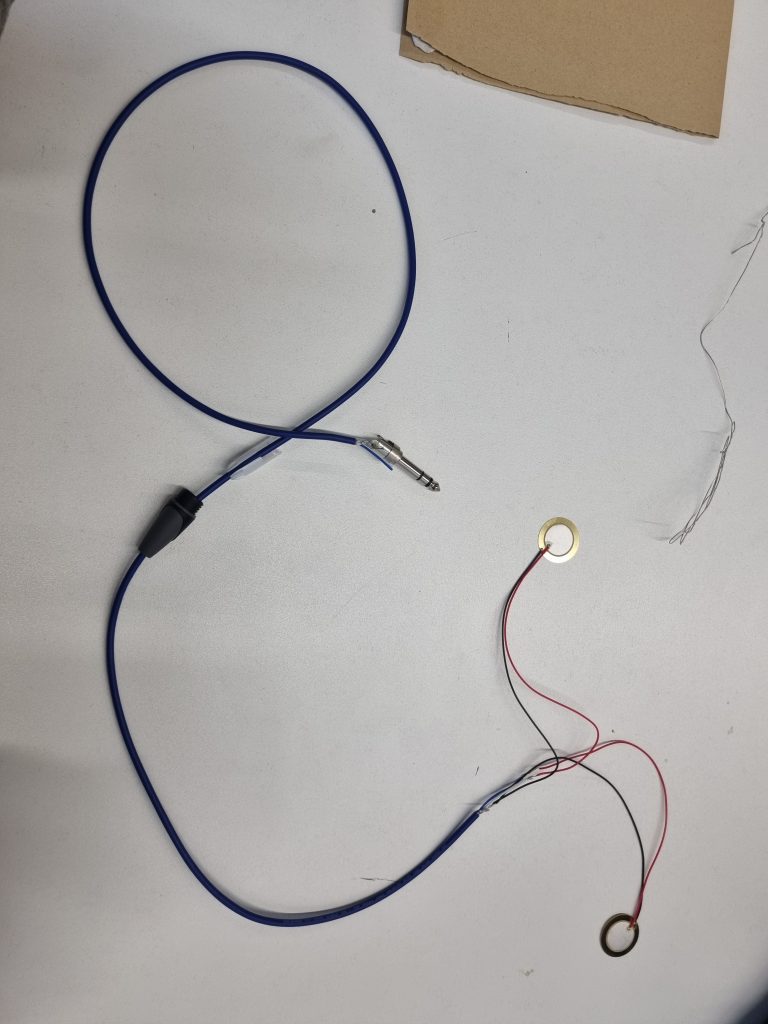
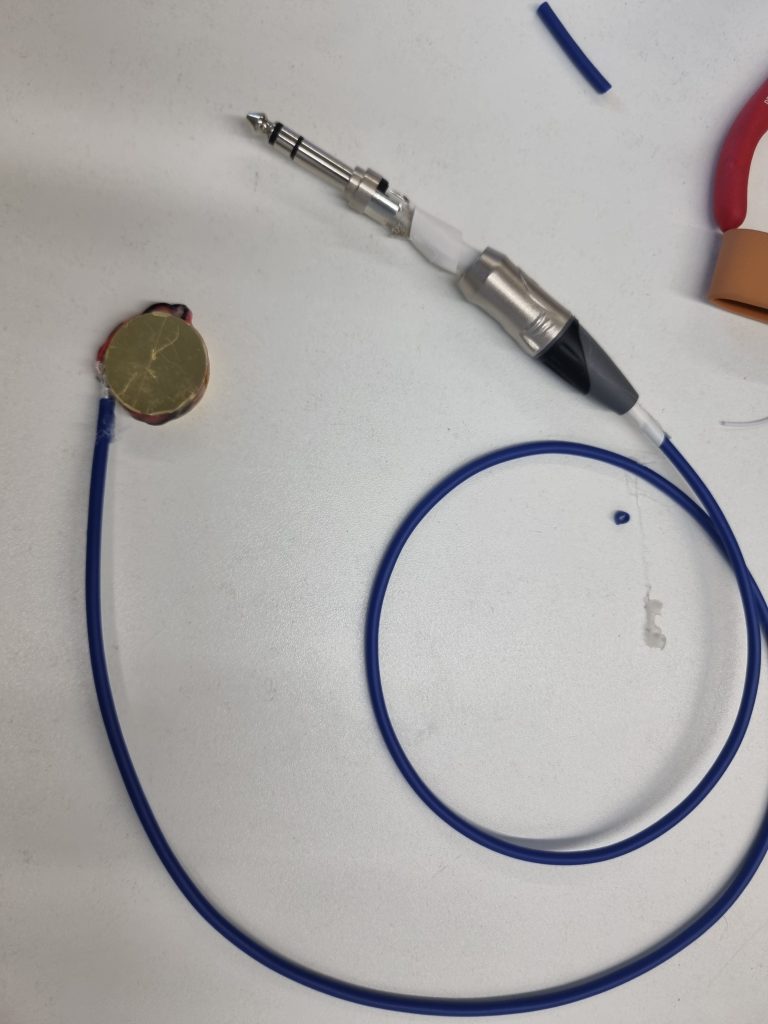
After each element had been soldered, the piezeo-electric transducers were hot-glued together and then covered with plastic for protection and waterproofing.